

BEHIND THE HAND
A little knowledge. A better decision.
One opponent, every decision — details
Here is the context for this part of the site. Heads-Up is a two-seat Hold’em table with you and one computer player. Every deal brings a blind commitment, so the same two positions alternate frequently. Both players use virtual chips, and the cards follow the same five-card hand rankings used at larger tables. The same principles apply each time you use this part of the site.
The button posts the small blind — details
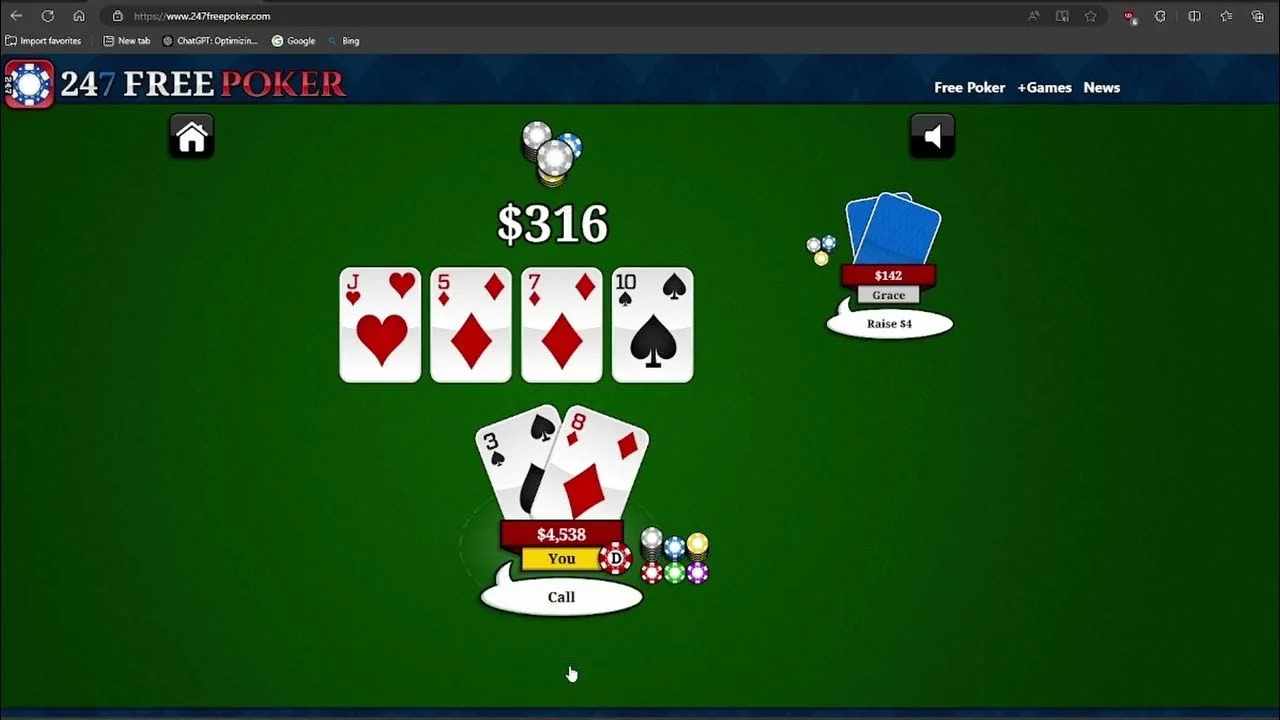
Here is the context for this part of the site. In a two-player game, the dealer button is also the small blind. That player acts first before the flop. The other player posts the big blind and still has an option to raise when the small blind only calls. You can return to this explanation whenever you need a reminder.
Action reverses after the flop — details
For this topic, keep the following in mind. After the flop, turn and river, the player in the big blind acts first when both players still have chips and remain in the hand. The button acts last. This special order is why a button decision before the flop and after it require different thinking. The same principles apply each time you use this part of the site.
Adjust your opening range thoughtfully
The key details are straightforward. There is only one opposing hand to beat, which can make more starting hands playable than at a full table. This does not mean every two cards deserve a large pot. Consider the size of the blinds, effective stacks and the cost of being called. Keeping the full context in mind helps avoid misunderstandings.
Read the effective stack — details
A useful starting point is the following overview. The smaller remaining stack limits how much the two players can contest. An unmatched excess wager is returned rather than awarded as a separate win. Before moving all-in, check how much your opponent can actually call and how that changes your possible return. The same principles apply each time you use this part of the site.
Recognize a free check — details
The key details are straightforward. When the current betting round has no wager to match, checking adds no chips and keeps your hand live. If your opponent has bet, the available choices change. The controls show Check or Call according to the current action, helping distinguish a free continuation from a paid one. The same principles apply each time you use this part of the site.
Balance pressure and restraint — details
Here is the context for this part of the site. A bet can win by making an opponent fold, or it can be called by a stronger hand. Board texture and earlier betting matter more than a single large bet. Against this computer, results still vary because both the deal and parts of the decision process are randomized. If a question remains, the FAQ form provides a way to contact the operator.
Compare both final hands — details
Consider these points when using this feature. At showdown, the best five-card combination wins even if one player uses no private cards. Suits do not break a tie. When both players share the same best five cards, the pot is split, with any indivisible chip assigned by position. Use this explanation as a reference during your next visit.
Build a focused session
The explanation below covers the main points. Start with a small number of hands and review the difficult spots after each one. Pause is available when you want time to think. A new table resets the chip stacks for this mode, while existing completed-hand statistics remain unless you clear local data. A careful reading can help you distinguish the different situations.
Review heads-up results separately
Here is the context for this part of the site. Heads-Up has its own saved table and statistics row. Your local hand history labels each completed hand by mode. Compare decisions made in the small blind and big blind rather than assuming results from a six-seat or nine-seat game transfer directly. Use this explanation as a reference during your next visit.