

BEHIND THE HAND
A little knowledge. A better decision.
Take a seat at a full table — details
The following details clarify how this works. 9-Max gives you eight computer opponents at a nine-seat Hold’em table. The game uses one standard deck and virtual chips. More players means more possible hands in contention, but it does not add suits or change the five-card hand-ranking order. If a question remains, the FAQ form provides a way to contact the operator.
Find your position before acting — details
Consider these points when using this feature. Before the flop, action begins to the left of the big blind and proceeds clockwise. Players closer to the start must decide with more opponents still waiting behind them. The highlighted seat shows whose turn it is, and the dealer marker helps you locate late position. The surrounding sections explain the related topics in more detail.
Select starting hands for the situation
The explanation below covers the main points. Strong pairs and high-card combinations can be easier to navigate than disconnected low cards, especially in early position. The size of a raise and the number of callers change the situation. Avoid treating a starting-hand chart as permission to ignore those details. The surrounding sections explain the related topics in more detail.
Pay attention to multiple callers — details
Here is the context for this part of the site. A hand that compares well against one opponent can have a smaller chance of winning against several. On the flop, consider the board and everyone who remains involved. A small bet into a large field can still lead to expensive action later in the hand. The surrounding sections explain the related topics in more detail.
Separate each player's contribution — details
Here is the context for this part of the site. The pot display includes chips committed by all players, including folded hands. Each active player's eligibility depends on their own contribution. When stacks differ and players go all-in, the engine creates separate side pots rather than comparing every player for the entire amount. A careful reading can help you distinguish the different situations.
Use folds to narrow the field — details
The following details clarify how this works. Folded players stay visible at their seats, but their cards cannot win a pot and remain hidden. The action continues among players still in the hand. A folded player's committed chips stay in the pot, even though their decision to fold ends their participation in that deal. The surrounding sections explain the related topics in more detail.
Keep the board in view — details
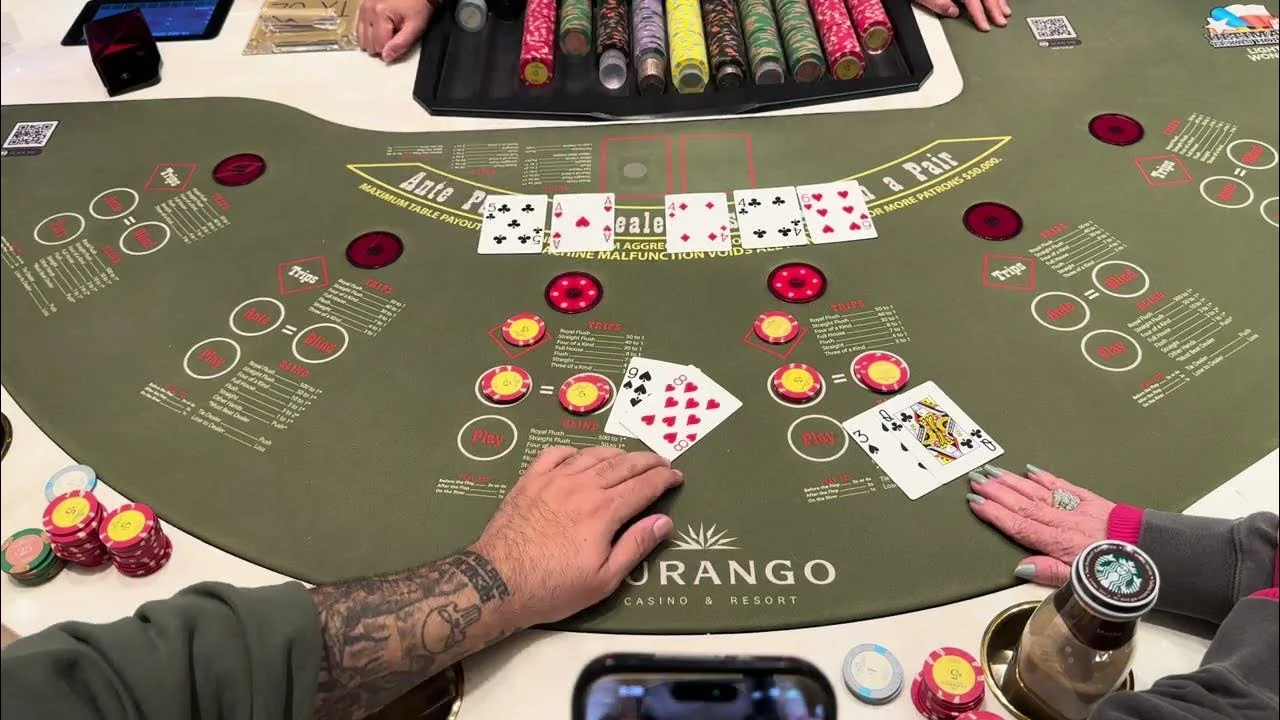
This section explains what to expect. The five community-card spaces remain in the center of the table. On smaller screens, computer seats move into a compact grid above the board and your cards stay below it. The controls retain the same betting meaning in both layouts. Read this alongside the related information on this site.
Respect the minimum raise
A useful starting point is the following overview. A full raise must add at least the size of the last full bet or raise. A smaller all-in can be legal without reopening another player's right to raise. When your raise option is unavailable, the controls reflect the current betting sequence and your remaining stack. A careful reading can help you distinguish the different situations.
Continue after a short stack
This overview brings the relevant details together. Computer players with very short stacks receive a fresh practice stack between hands so the table keeps its seat count. Your own refill is offered separately after the hand ends. These free virtual-chip resets support practice; this mode does not run a tournament or pay prizes. Revisit the relevant section if a detail is unclear.
Review the full sequence — details
Here is the context for this part of the site. Hand History lists the betting actions from a completed hand with its table type. Reviewing who entered the pot, who raised and who folded is often more useful than looking only at your final cards. My Statistics keeps 9-Max outcomes separate from the other modes. The same principles apply each time you use this part of the site.